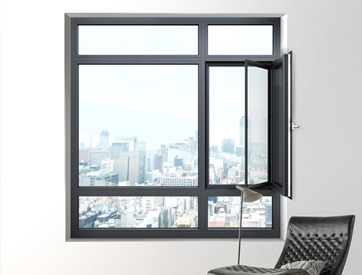
How to Choose a Swing Door
1. Definition and Features of Swing Doors
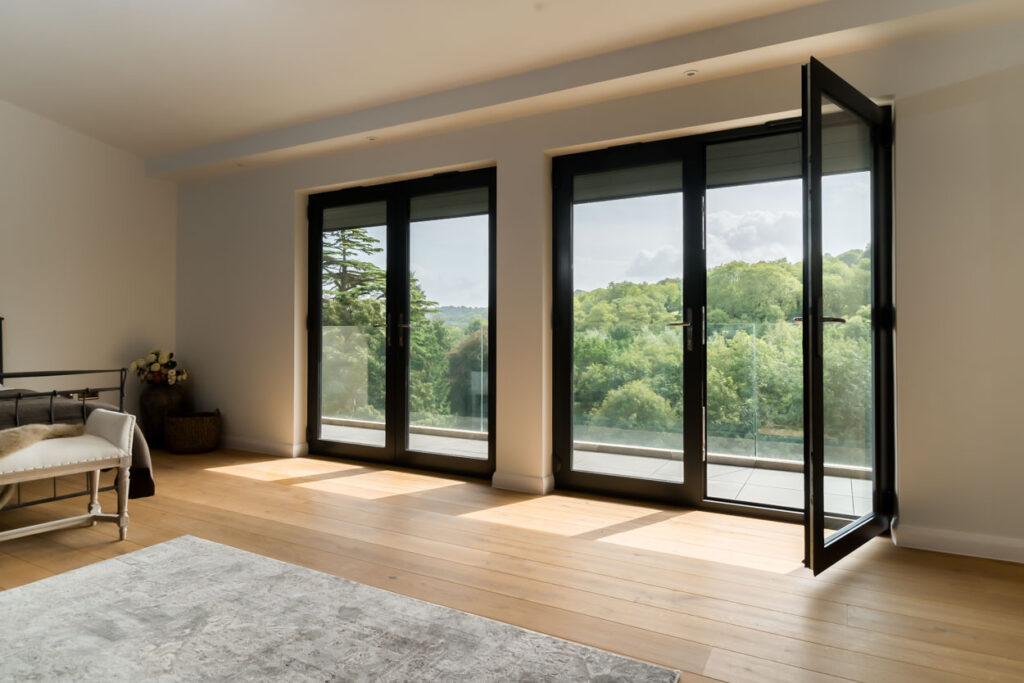
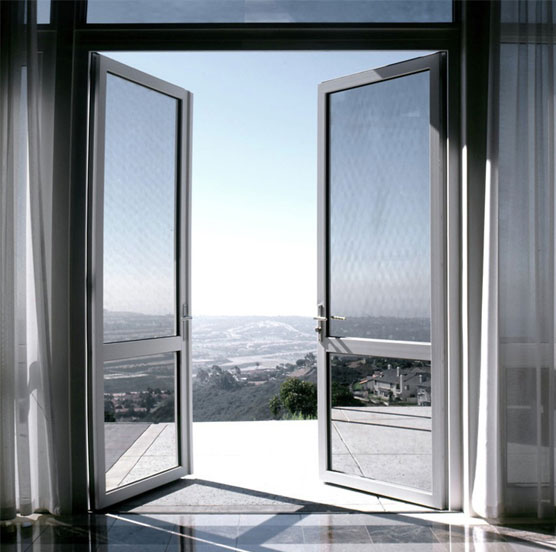
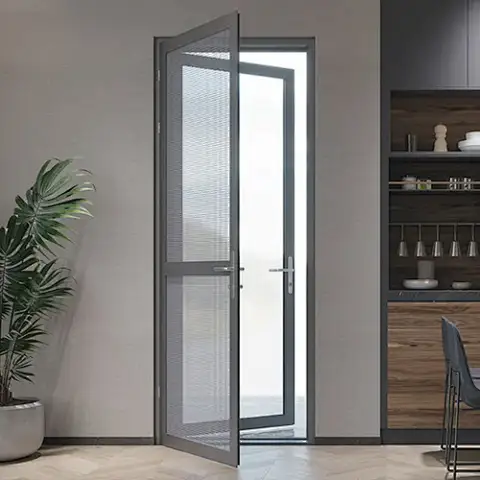
A swing door (or hinged door) is attached to the frame via hinges and opens inward or outward. It is known for its simple structure, excellent sealing, and durability, making it suitable for homes, offices, and commercial spaces.
2. Key Considerations for Choosing a Swing Door
(1) Material Options
Solid Wood: Premium feel and soundproofing, but expensive and requires moisture protection.
Composite Door: Cost-effective and stable, ideal for average households.
Metal (Stainless Steel/Aluminum): Fireproof and durable, often used in commercial or outdoor settings.
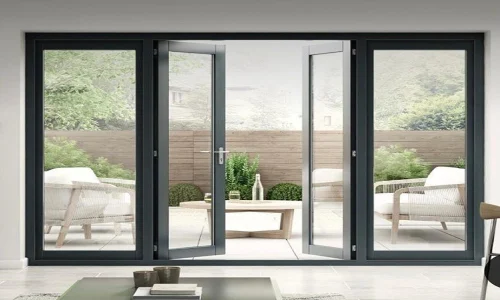
Glass Door: Enhances light transmission but may compromise privacy.
(2) Opening Direction
Inward Swing: Saves exterior space but requires sufficient indoor clearance.
Outward Swing: Avoids occupying indoor area but needs corridor width consideration.
(3) Hardware Accessories
Hinges: Opt for 304 stainless steel or hydraulic hinges for load-bearing capacity.
Locks: Choose mechanical or smart locks based on security needs.
Door Stopper: Prevents wall collisions and prolongs door life.
(4) Size and Measurement
Standard height: 2000mm~2100mm; width: 700mm~900mm (single door).
Custom doors require precise measurements, leaving 10~15mm gaps on each side.
(5) Style Coordination
Modern Minimalist: Solid colors or hidden handles.
Traditional/European: Carved wood or vintage hardware.
3. Common Issues
Sagging Door: Caused by loose or low-quality hinges; regular maintenance needed.
Drafts/Noise Leakage: Ensure proper sealing strips (e.g., silicone or brush strips).