Elevate Your Home Style – Start With the Right Double Doors
In modern interior design, double doors are increasingly favored for their grand appearance and practical functionality. Unlike standard single doors, double doors create a more spacious entry experience while enhancing the aesthetic value of a space. However, selecting the right set of double doors is not simply a matter of measuring dimensions and choosing a style—it requires consideration of multiple factors, including spatial compatibility, material properties, opening mechanisms, and harmony with the overall decor. This article systematically breaks down six key dimensions of double door selection to help you make an informed decision amid a wide array of market options, achieving the perfect balance of beauty and function.
1. Space Assessment: Prerequisites for Double Door Installation
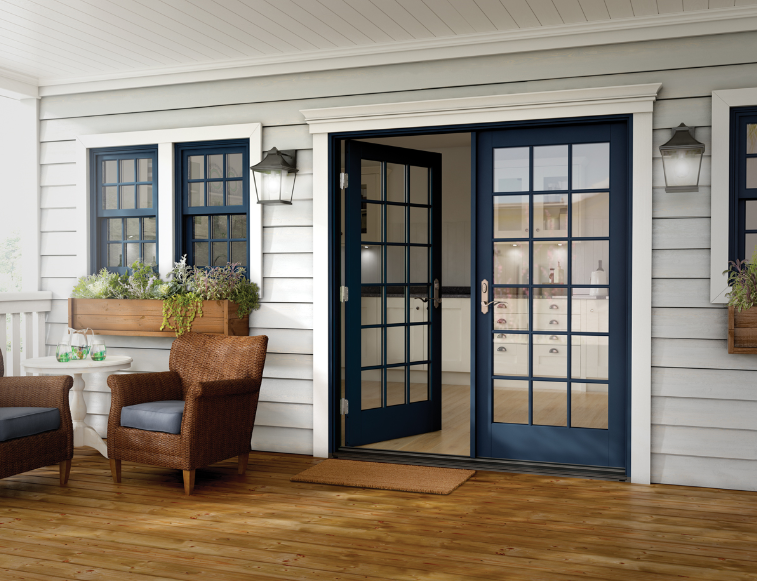
Double doors require more opening and installation space compared to traditional single doors, making accurate evaluation of existing space essential to avoid future issues. First, measure the exact width of the door opening—standard double doors typically require an opening of at least 1.2 meters, while more luxurious designs may demand 1.5 meters or more. Also, check the height of the door opening; modern homes usually have standard door heights of 2–2.1 meters, but villas or renovated spaces may require custom dimensions.
Swing radius is a frequently overlooked yet critical parameter. Double doors need enough clearance to open fully without obstruction from furniture or walls. The ideal installation location should allow each door to open 90 degrees while maintaining at least 15 cm of buffer space. For hallways or narrow entrances, consider outward-opening designs or reducing door width. Note that building codes may impose specific requirements on door swing direction, particularly for fire-rated or emergency exit double doors, so be sure to check local regulations.
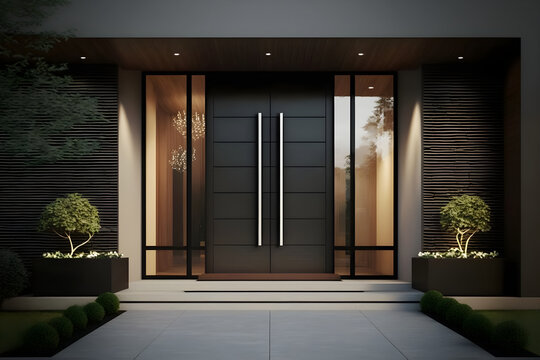
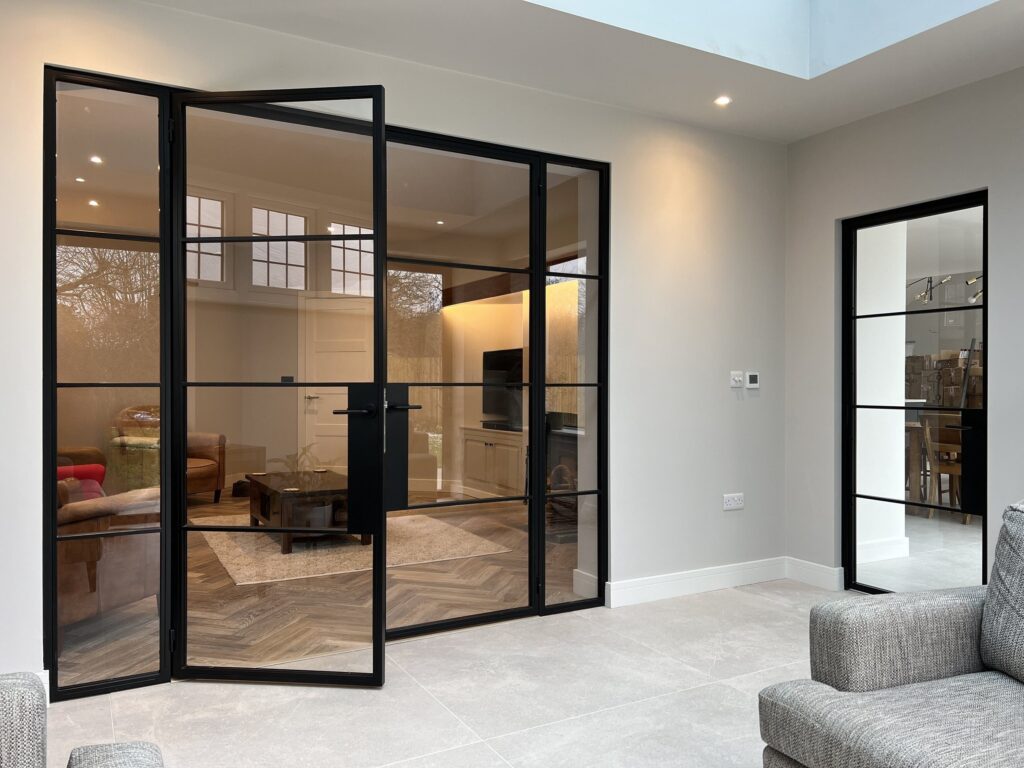
The ratio of ceiling height to door height significantly impacts visual appeal. For standard ceiling heights under 3 meters, double doors of 2.1–2.4 meters are appropriate—anything taller may feel oppressive. In high-ceiling spaces, consider custom doors exceeding 2.6 meters to enhance grandeur. Using painter’s tape to outline the door frame on the wall can help visualize proportions before installation.
2. Material Selection: Balancing Aesthetics and Practicality
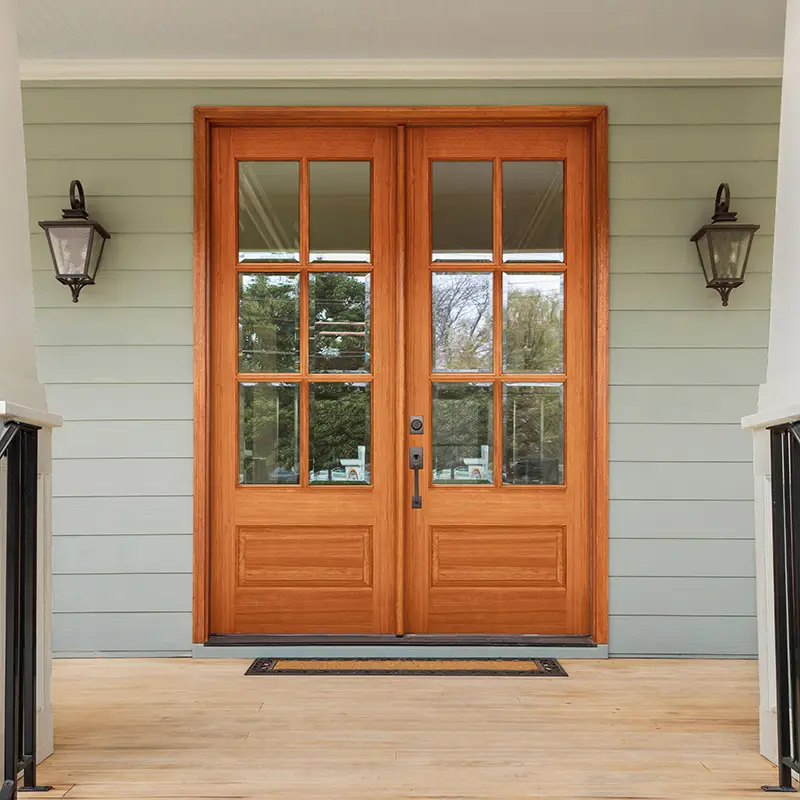
The material of double doors determines core performance aspects such as sound insulation, thermal efficiency, durability, and maintenance requirements. Solid wood double doors offer the finest texture and natural grain, suiting classical or luxurious styles, but they come at a higher cost and are sensitive to humidity, potentially leading to cracking or warping. High-quality engineered wood doors (e.g., finger-jointed solid wood) strike a good balance between stability and price, making them a mainstream choice for modern homes.
Metal double doors (particularly aluminum) are widely used in commercial spaces for their excellent durability and contemporary appeal, with sound and thermal insulation achieved through fillers. Aluminum-wood composite doors combine the stability of aluminum with the warmth of wood, ideal for quality-conscious homeowners. Glass elements play a key role in double door designs—tempered or laminated glass ensures safety while enhancing light transmission, and frosted, textured, or artistic glass offers varying levels of privacy and decorative effects.
PVC double doors are the most budget-friendly and excel in moisture resistance, making them suitable for damp environments, though they may lack in texture and longevity. Innovative materials like fiber-reinforced composites mimic the look of solid wood while offering moisture-proof, termite-resistant, and warp-free properties, serving as strong alternatives to traditional materials.
3. Opening Mechanisms: Choosing the Right Type for Your Needs
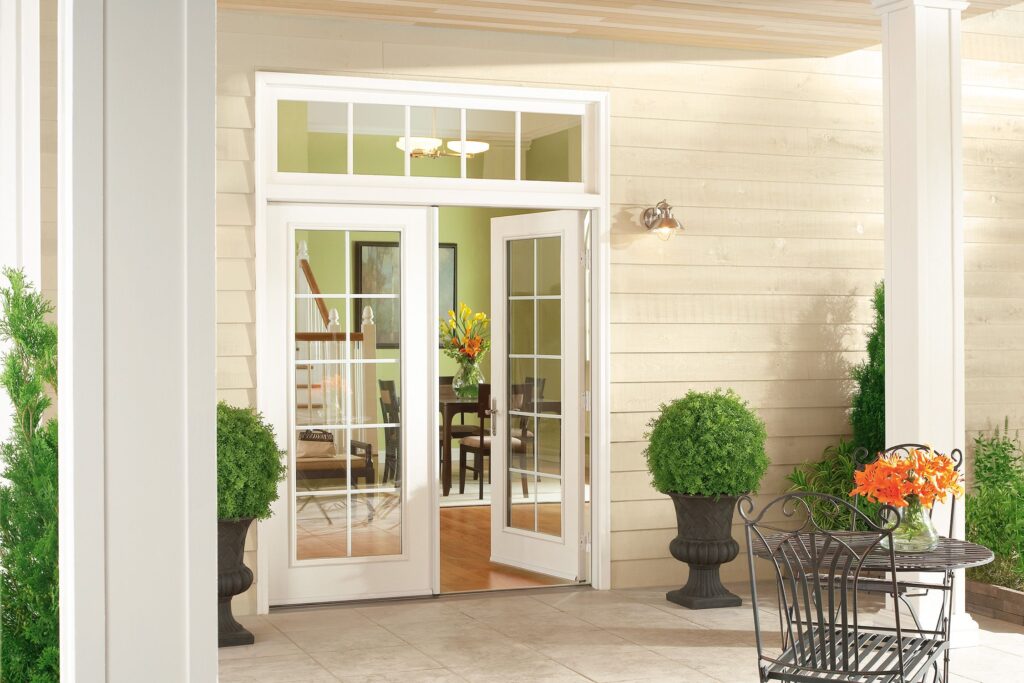
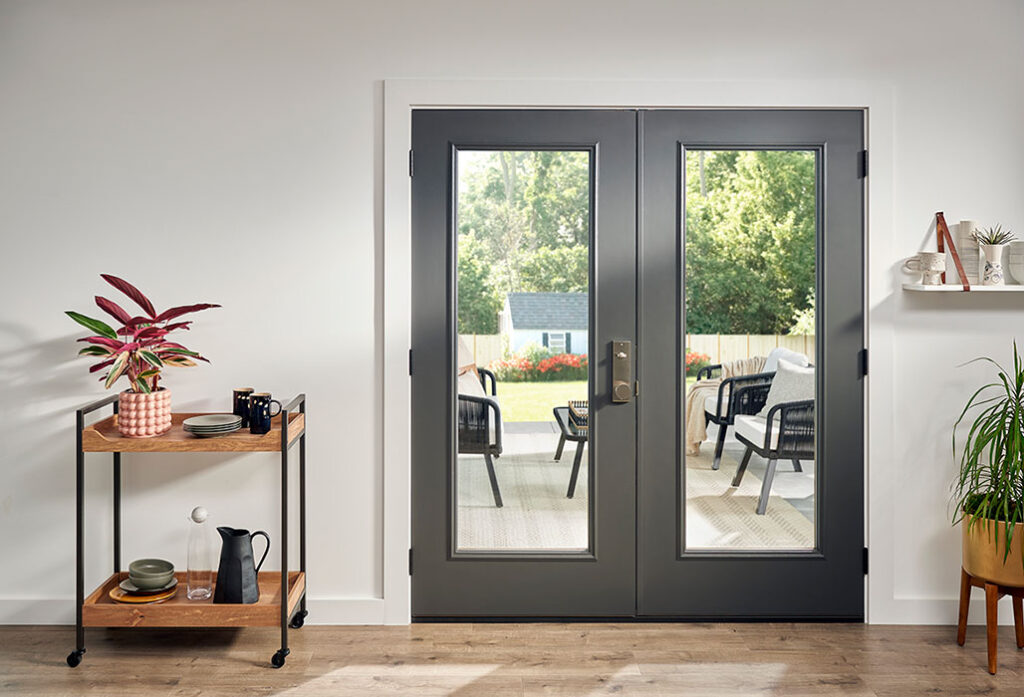
Double doors offer more than just a simple swing-open mechanism—different designs cater to varied usage scenarios. Traditional swing double doors are the most common, requiring adequate clearance and available in single-fixed or double-active configurations. The latter offers greater flexibility but demands higher installation precision.
Sliding double doors save space, especially in narrow areas, with tracks installed on the floor or ceiling. High-quality hardware is crucial for smooth operation and durability. Folding double doors (also called butterfly doors) fold to one side when opened, minimizing space usage—ideal for balconies or garden exits.
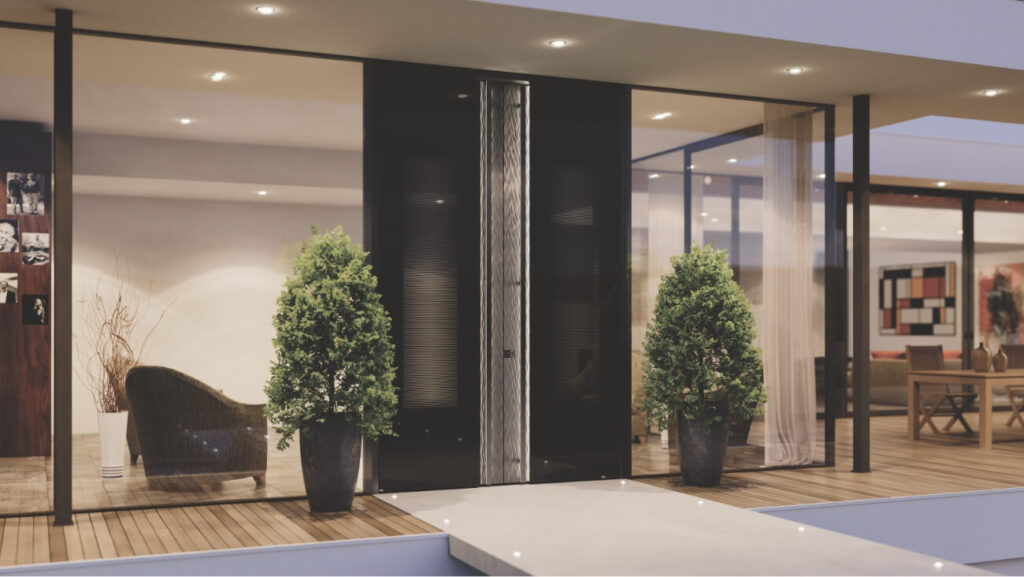
Automatic sensor-operated double doors are gaining popularity in upscale homes, activated via infrared sensors or remote control for hands-free access. Hydraulic hinges enable slow, soft closing, enhancing safety and reducing noise. For high-traffic areas with limited space, 180-degree opening hinges allow doors to rest flush against walls when fully opened.
4. Style Coordination: Harmonizing with Overall Décor
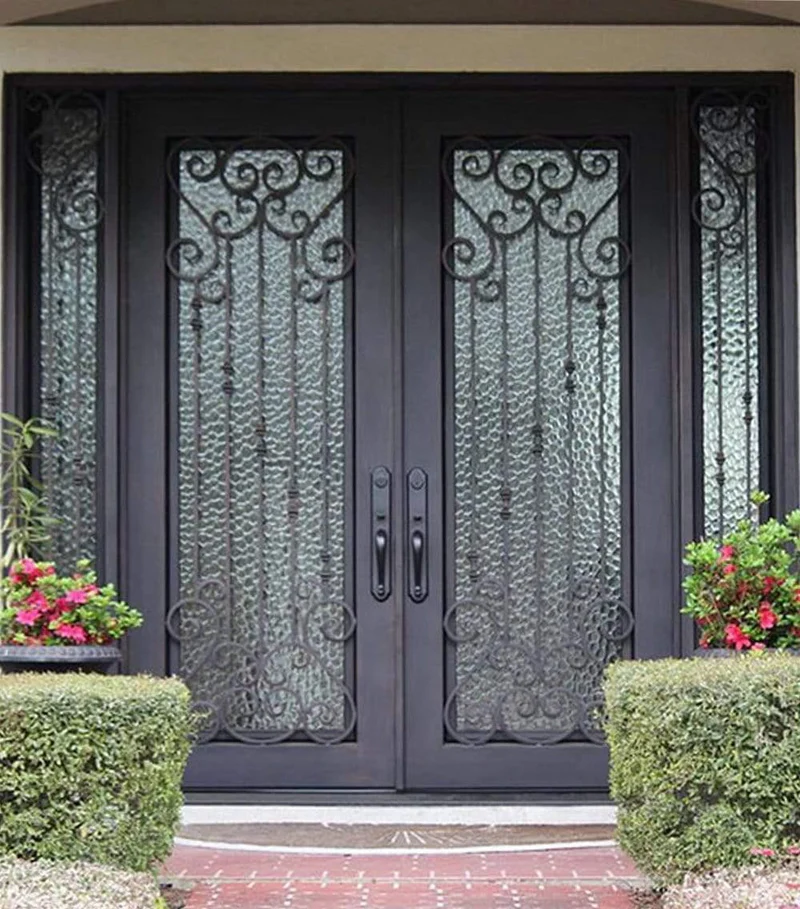
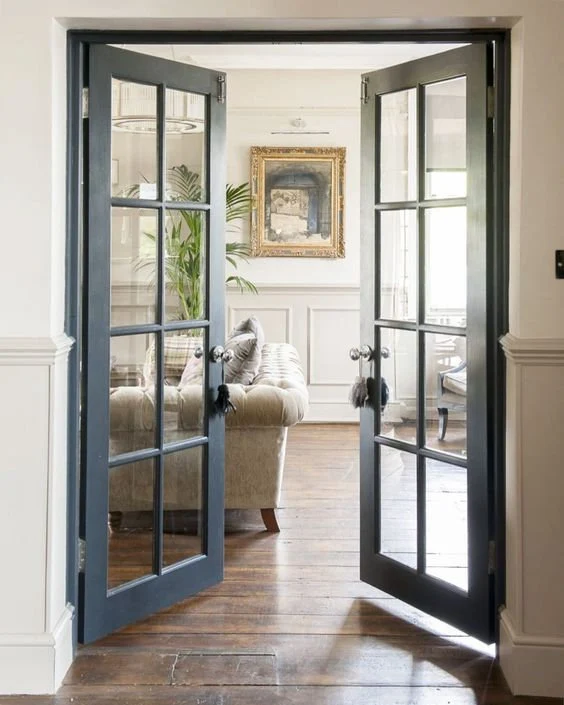
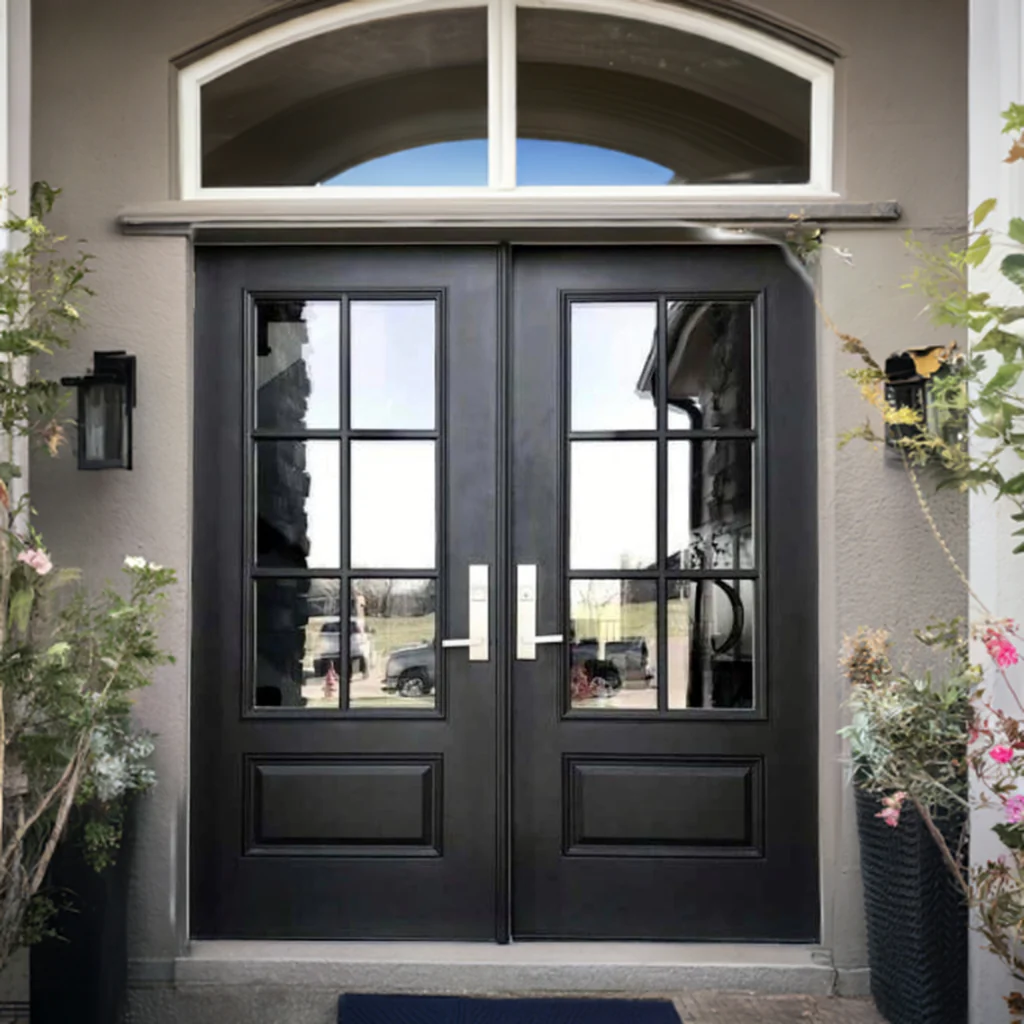
As a visual focal point, double doors should align with the broader design language of the space. Classical European styles pair well with carved solid wood doors, brass hardware, and arched glass, while modern minimalist designs favor clean lines, frameless profiles, and flat panels in matte black or metallic gray.
For neo-Chinese styles, consider dark wood with grid-patterned glass or traditional nail-head detailing. Industrial styles suit metal frames with distressed finishes and black iron fittings, while Mediterranean designs often feature weathered blue or white doors. Scandinavian aesthetics lean toward light wood and ultra-simplified forms.
Door frame choices matter too—wide frames convey elegance, while slim frames enhance modernity. Coordinate wall colors and flooring materials in the entryway to create either a harmonious or intentionally contrasting palette. Artistic glass or custom patterns can add unique character, making the doors a standout feature.
5. Functional Details: Key Elements for Enhanced Usability
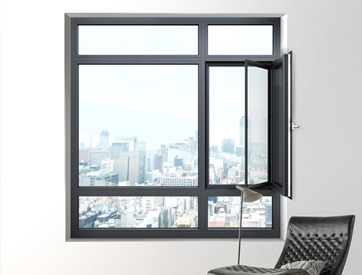
Exceptional double door designs incorporate thoughtful details for improved user experience. Soundproofing depends on core materials and sealing strips—solid wood naturally performs well, while hollow-core doors may benefit from acoustic foam fillers. Thermal efficiency is critical for areas with temperature differentials (e.g., balcony doors), where double- or triple-pane glass and thermal-break aluminum frames are effective solutions.
For security, opt for anti-pry hinges and multi-point locking systems, with tempered glass and protective films for added safety. Anti-pinch designs are essential for households with children, achieved through slow-close hinges or edge buffers. Threshold height affects accessibility—sleek low-profile designs enhance aesthetics but may compromise sealing, requiring careful trade-offs based on needs.
Hardware quality directly impacts longevity—choose hinges, locks, and handles from reputable brands. An often-overlooked detail is the placement of door stoppers or holders to keep doors securely open and prevent swinging. For glass-heavy double doors, consider built-in blinds or smart glass for adjustable privacy and light control.