How to Choose Sliding Doors
1. Types of Sliding Doors
Sliding doors can be categorized into:
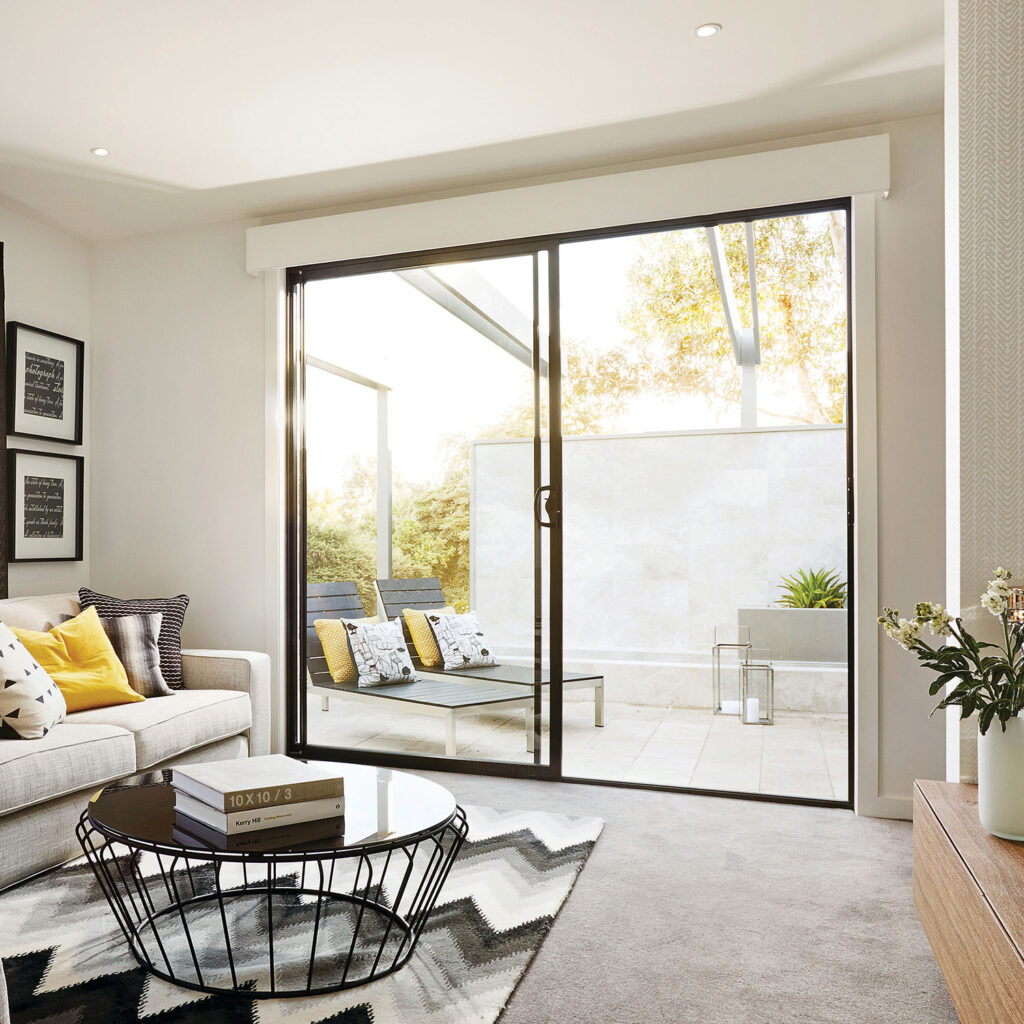
Single-track sliding door: One panel slides along the rail, ideal for small spaces.
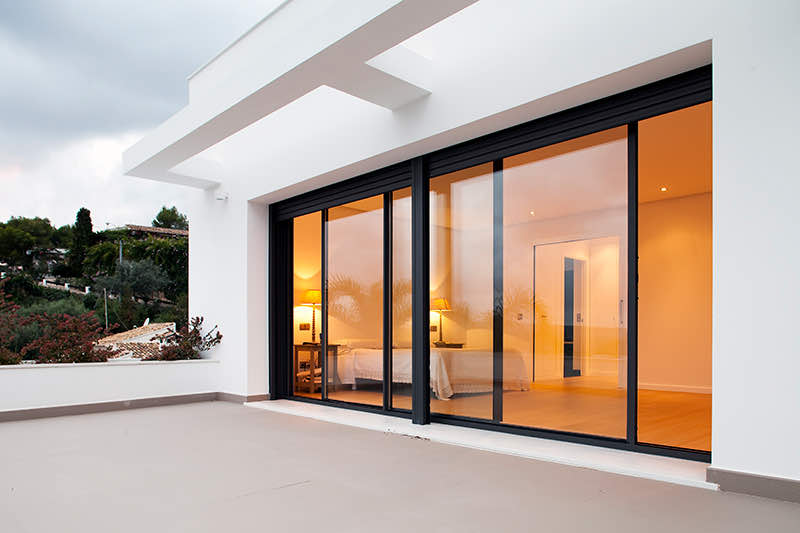
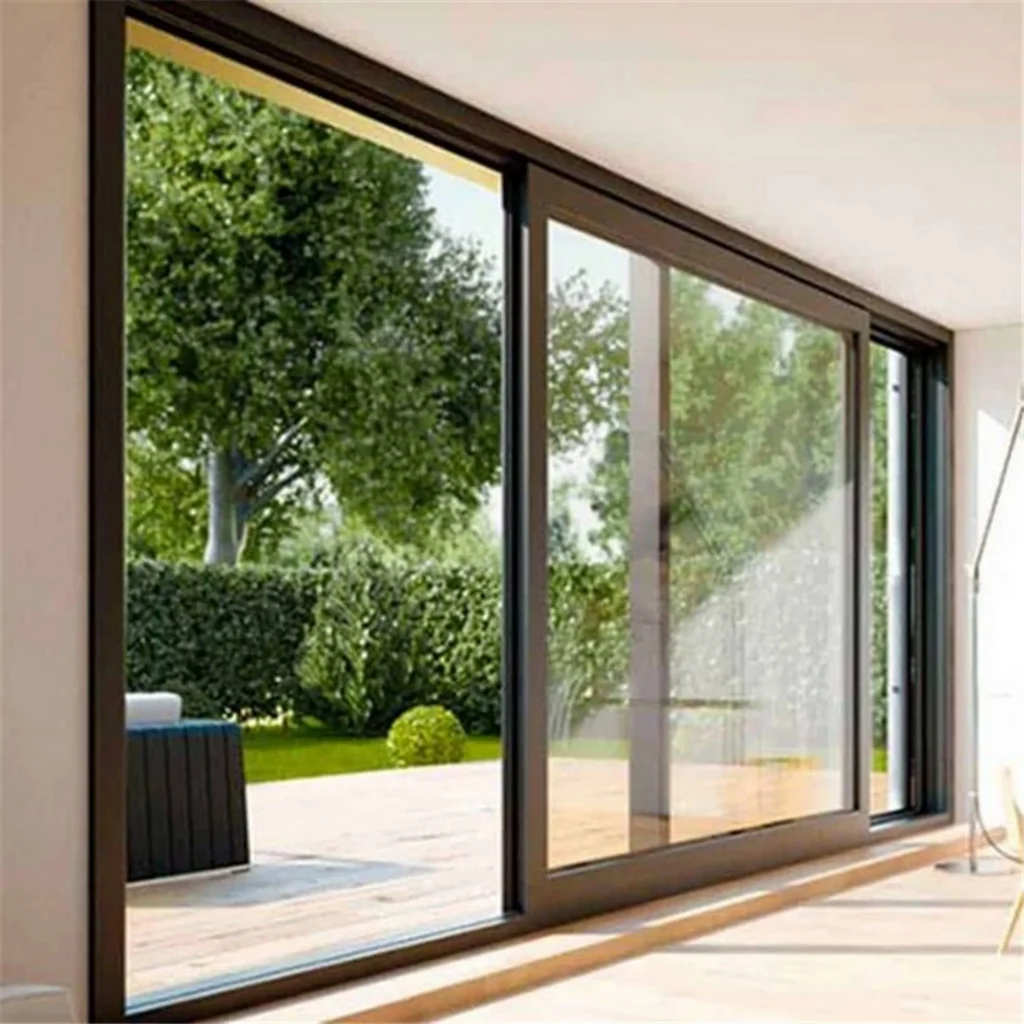
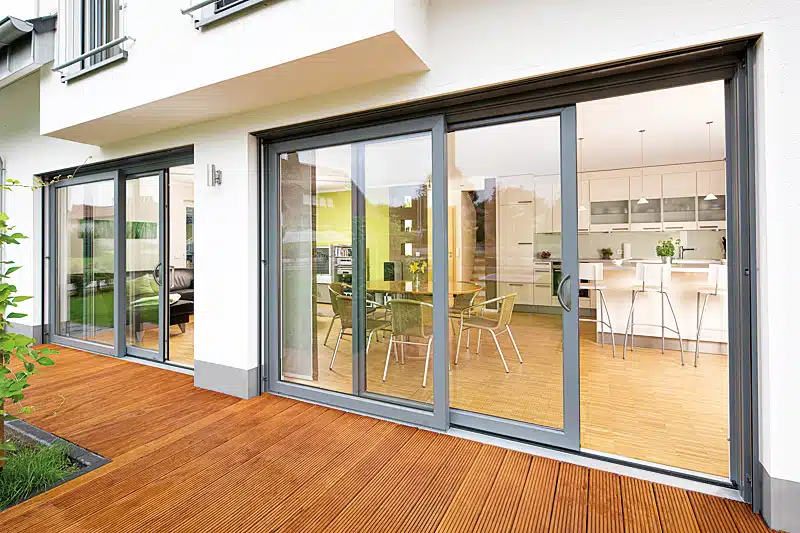
Double-track sliding door: Two panels slide past each other, offering a wider opening for balconies or room dividers.
Top-hung sliding door: The rail is installed overhead, making the floor easy to clean.
Floor-track sliding door: The rail is on the ground, providing stability but requiring more maintenance.
2. Material Options
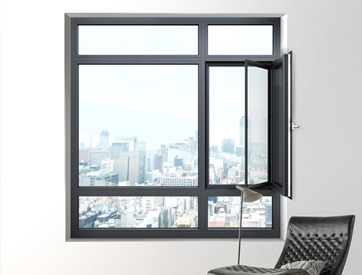
Aluminum: Lightweight, durable, and rustproof, perfect for modern designs.
PVC: Affordable with sound and thermal insulation, but less sturdy.
Solid wood: High-end texture, suits classic styles, but needs moisture protection.
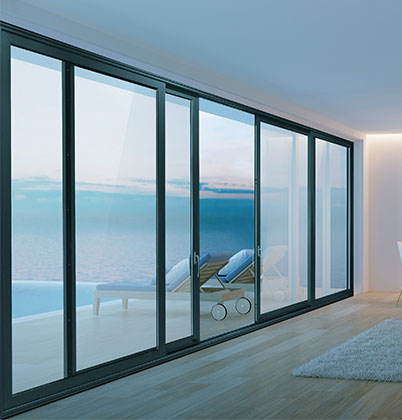
Glass sliding doors: Enhance natural light, ideal for kitchens, balconies, or room partitions.
3. Track & Hardware
Track: Top-hung rails look sleeker, floor tracks are more stable; choose silent rails for noise reduction.
Rollers: Nylon or metal rollers ensure smooth operation.
Locks: Magnetic or built-in locks improve security.
4. Suitable Spaces
Kitchen: Frosted or clear glass doors for light and grease resistance.
Balcony: Double-glazed or thermal-break aluminum for insulation.
Bedroom/Wardrobe: Wooden or frosted glass doors for privacy.
5. Style Matching
Modern Minimalist: Black slim frames + clear glass.
Scandinavian: White or wood frames with fluted glass.
Industrial: Metal frames + tinted glass for a bold look.
6. Budget & Maintenance
Budget-friendly: PVC or standard aluminum.
Premium: Thermal-break aluminum, system doors, or solid wood.
Maintenance: Clean tracks regularly and lubricate rollers.