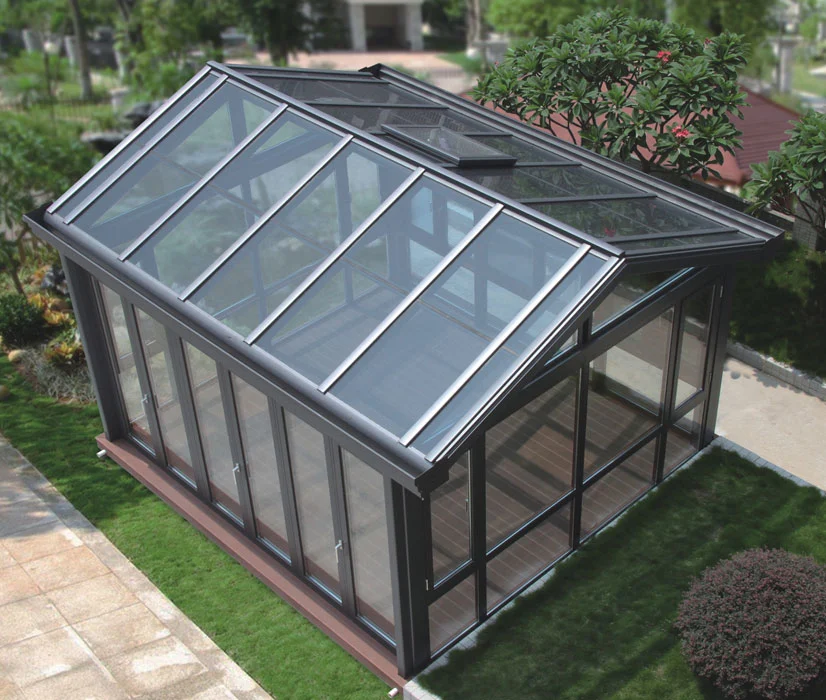
How to Choose the Ideal Sunroom
1.Determine the Purpose
Before choosing a sunroom, it’s essential to determine its purpose. Will it be used for relaxation, gardening, or as a space for family gatherings? Different purposes will influence the design, materials, and functional setup of the sunroom.

2. Choose the Right Materials

The materials used for a sunroom directly affect its durability and aesthetics. Common options include:
Aluminum: Lightweight and corrosion-resistant, suitable for modern styles.
Steel: Strong and durable, ideal for large-span designs.
Wood: Natural and cozy, but requires regular maintenance.
3. Selecting the Right Glass
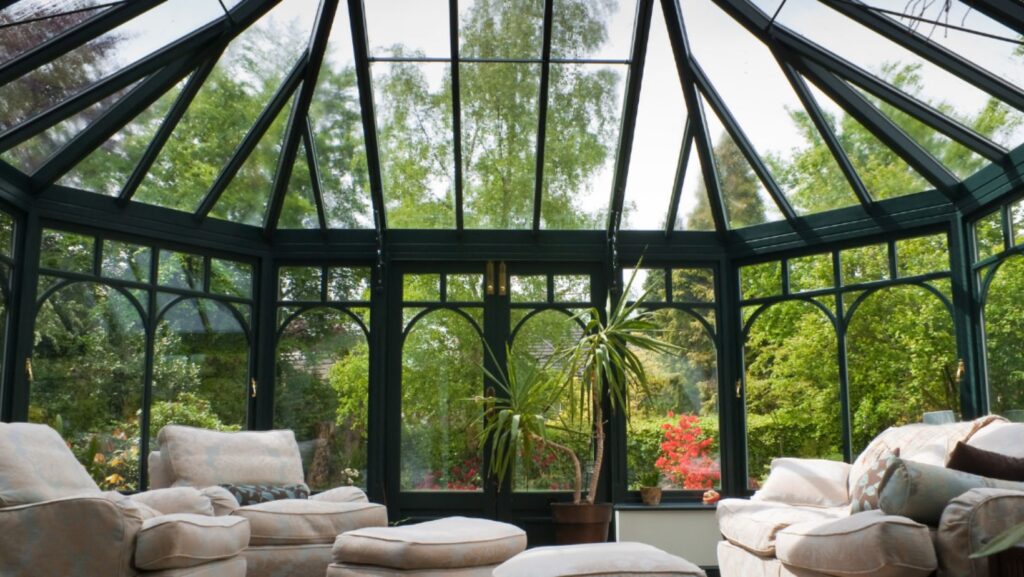
The lighting effect of a sunroom depends on the type of glass:
Double-glazed glass: Excellent thermal insulation, suitable for year-round use.
Tempered glass: High safety and impact resistance.
Low-E glass: Effectively blocks UV rays, protecting furniture.
4. Consider Ventilation and Shading
Sunrooms can become too hot in summer, so ventilation and shading are crucial:
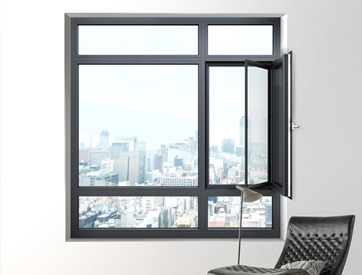
Skylights or side windows: Promote air circulation.
Shading curtains or blinds: Adjust light intensity.
5. Budget and Maintenance

Choose a sunroom type based on your budget, and consider long-term maintenance costs:
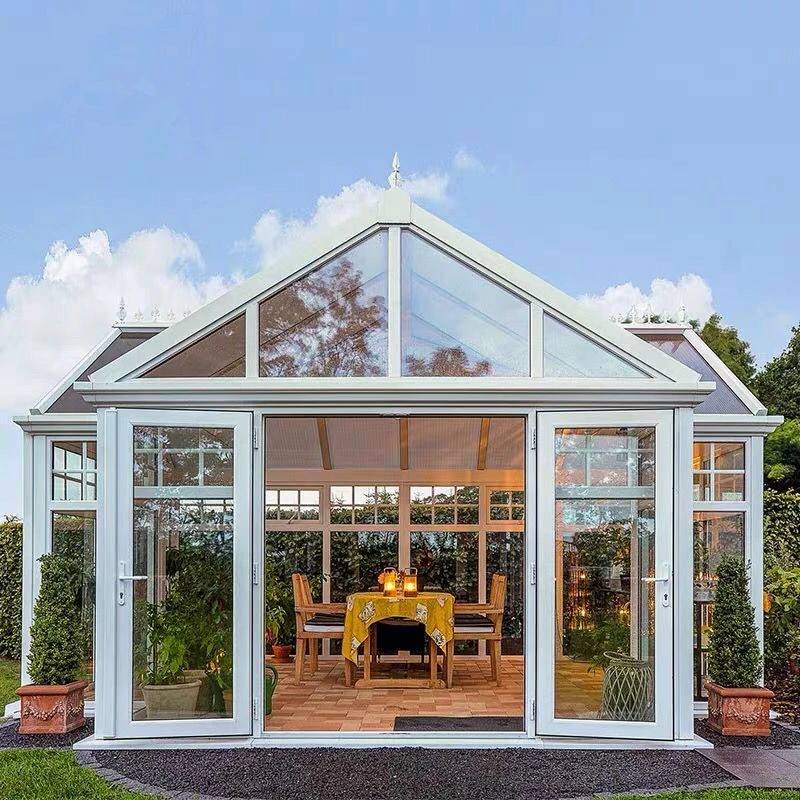
Prefabricated sunrooms: Lower cost and quick installation.
Custom sunrooms: Higher cost but tailored to personal preferences.
6. Professional Design and Installation
Choose an experienced sunroom supplier to ensure proper design and installation, avoiding future issues.
By considering these factors, you can select a beautiful and functional sunroom that adds comfort and value to your home!