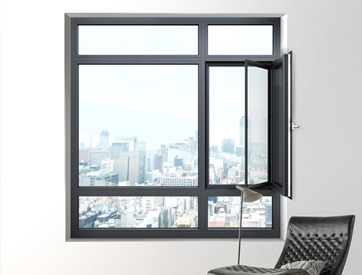
How to choose horizontal or vertical folding windows?
Folding windows are functional and aesthetic elements in modern architecture, with horizontal and vertical folding windows being two common types. Each has its advantages and disadvantages, suiting different spatial requirements. This article compares their characteristics to help you make an informed decision.
1. Horizontal Folding Windows
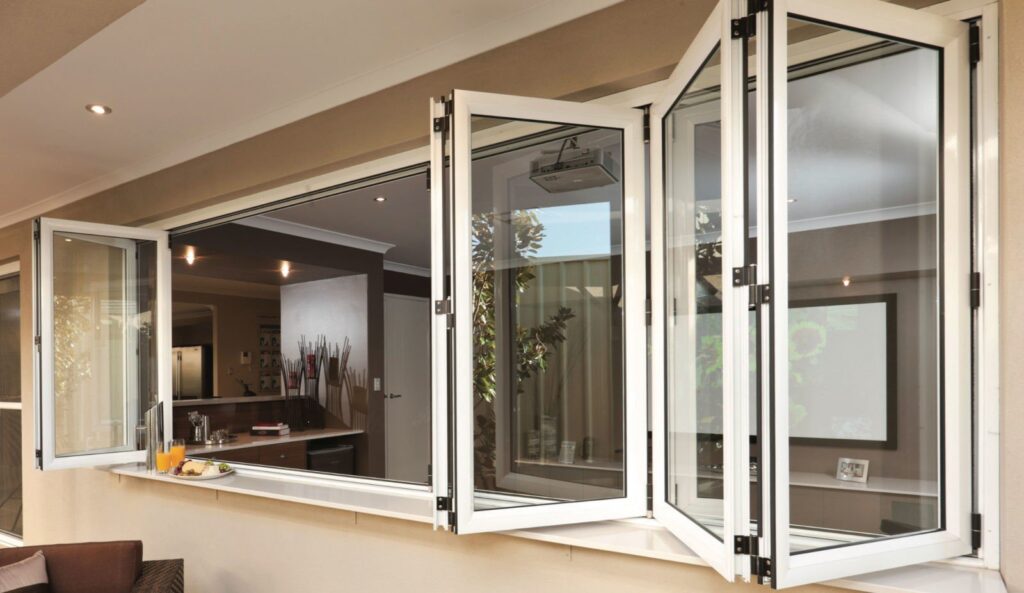
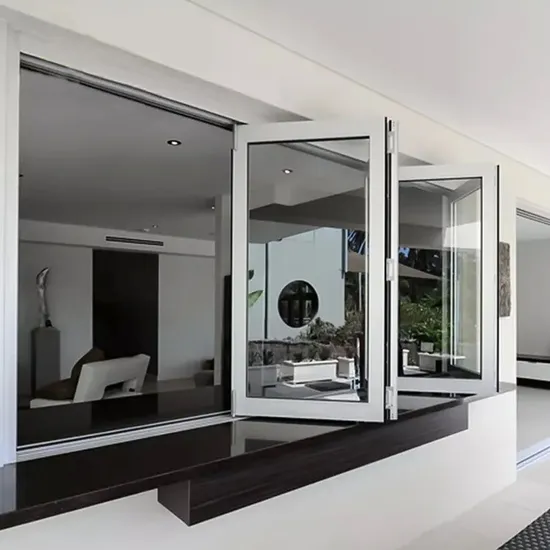
Features
Window panels fold horizontally, typically retracting to one or both sides.
Suitable for wide openings like balconies, terraces or large floor-to-ceiling windows.
Provide unobstructed views with excellent ventilation.
Advantages
✅ Space efficient: When folded, they only occupy space on one side without affecting interior layout.
✅ Panoramic views: When fully opened, they create nearly barrier-free visual access – ideal for rooms with views.
✅ Superior ventilation: Large opening area promotes excellent air circulation.
Disadvantages
❌ Less wind-resistant: May be affected by strong winds.
❌ More difficult to clean: Multiple folded panels can make cleaning challenging.
Ideal Applications
✔ Open balconies and terraces
✔ Transitional spaces between living rooms and gardens
✔ Commercial spaces (cafés, restaurants)
2. Vertical Folding Windows
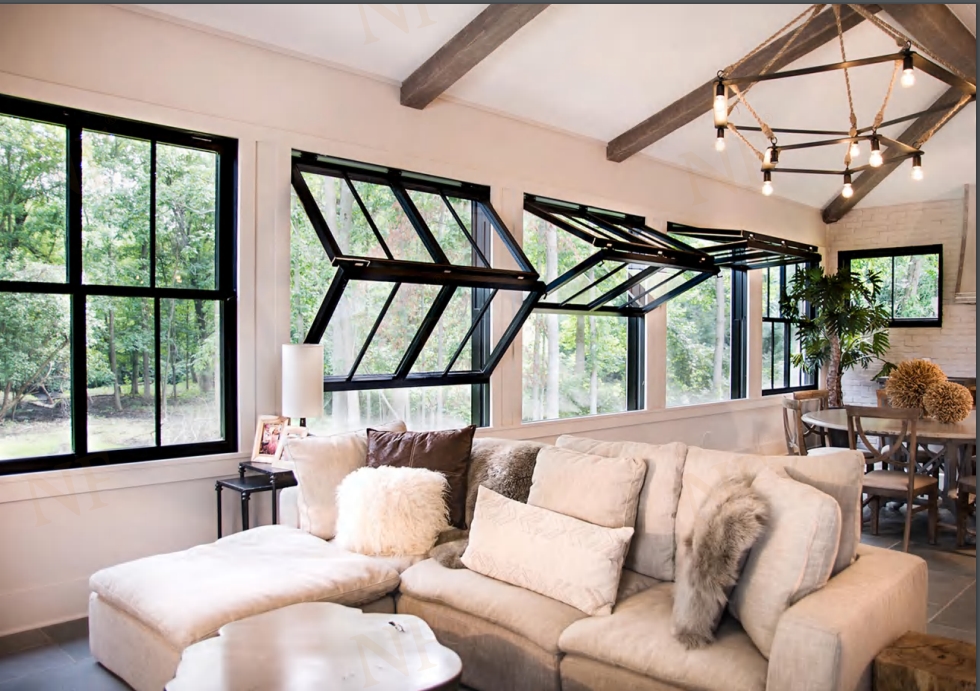
Features
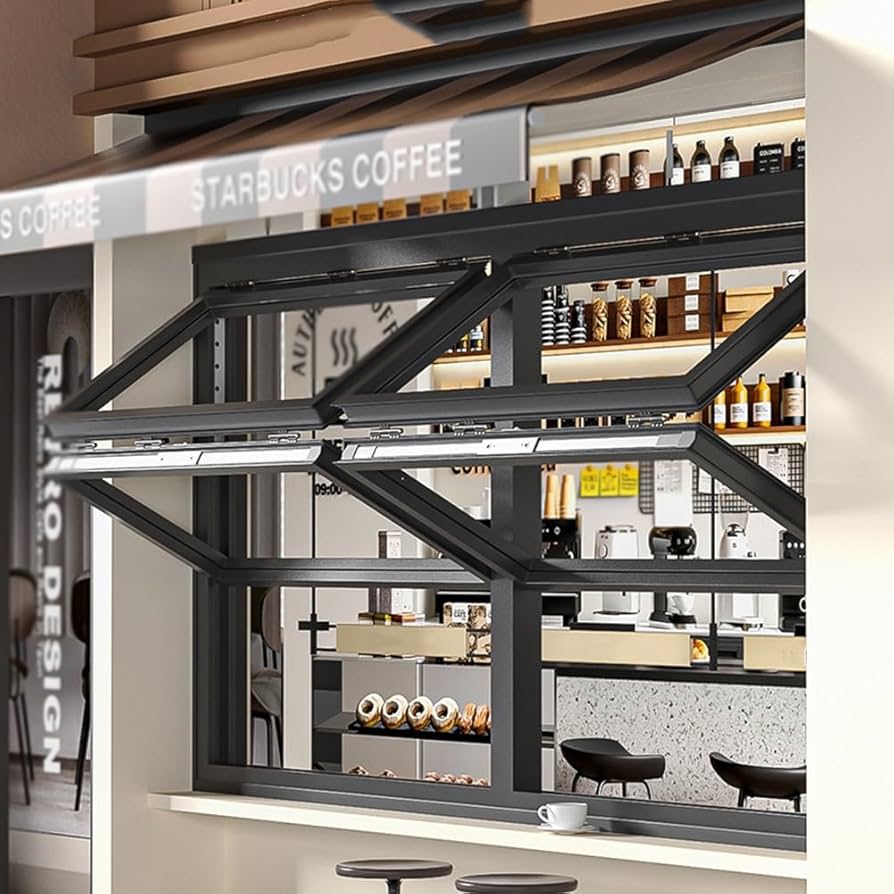
Window panels fold vertically, typically retracting upward or downward.
Suitable for tall spaces like lofts, high windows or atriums.
Save horizontal space, ideal for narrow areas.
Advantages
✅ Space-saving widthwise: Perfect for compact homes or corridor areas.
✅ Better wind resistance: Vertical structure is less affected by wind.
✅ Easier cleaning: Some designs allow easy removal for cleaning.
Disadvantages
❌ Limited opening range: When fully folded, may block some natural light.
❌ More complex installation: May require reinforced structures, potentially increasing costs.
Ideal Applications
✔ High-rise buildings, loft skylights
✔ Narrow spaces (hallways, small balconies)
✔ Areas requiring adjustable shading (sunrooms)
3. How to Choose? Key Comparison Factors
Selection Advice
Choose horizontal folding windows if you need maximum openness, enhanced ventilation and views (e.g. beach villas, open balconies).
Choose vertical folding windows for space-constrained areas or where better wind resistance is needed (e.g. high-rise apartments, lofts).
4. Other Considerations
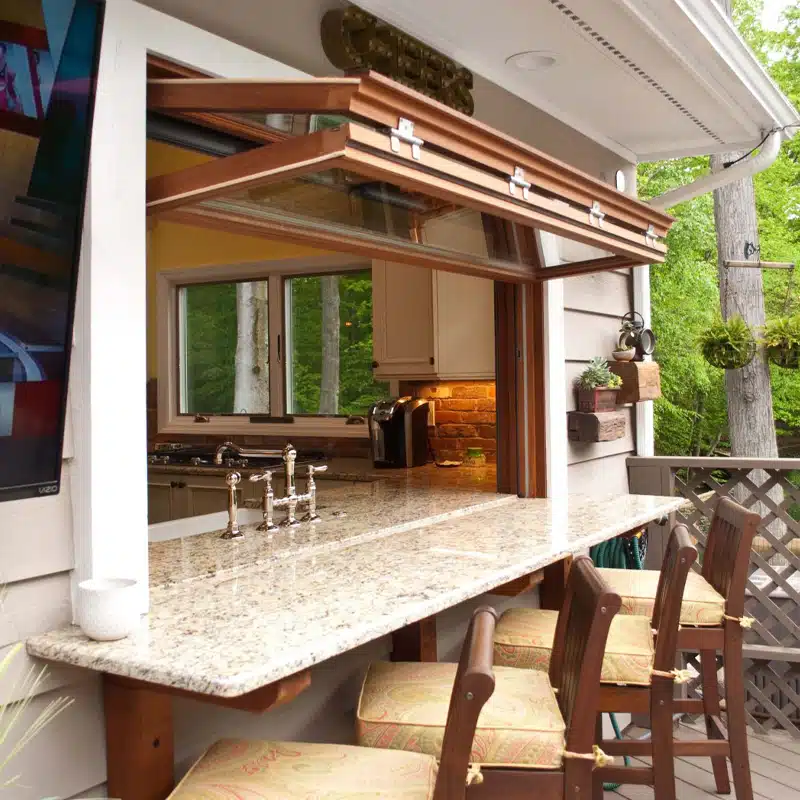
Materials: Aluminum alloy is lightweight and durable, uPVC offers good sound/thermal insulation, while solid wood is elegant but requires maintenance.
Glass: Double glazing for sound/thermal insulation, tempered glass for safety.
Hardware: Quality hinges and tracks determine lifespan – stainless steel is recommended.
Conclusion
Horizontal folding windows suit those prioritizing open views and ventilation, while vertical folding windows work better for space-constrained or wind-prone environments. By considering your building structure, budget and functional needs, you can select the most suitable folding window type for the perfect combination of aesthetics and practicality.