How to Choose Blinds: A Complete Guide
Blinds are a versatile window treatment option that combines functionality and style. Whether you’re looking for light control, privacy, or aesthetic appeal, choosing the right blinds can enhance your home’s comfort and design. This guide will help you make an informed decision.
1. Types of Blinds
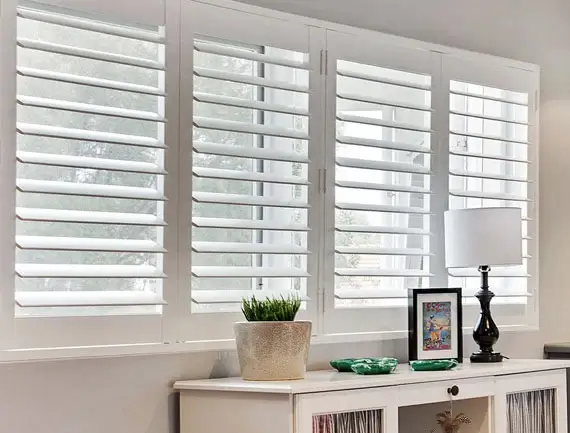
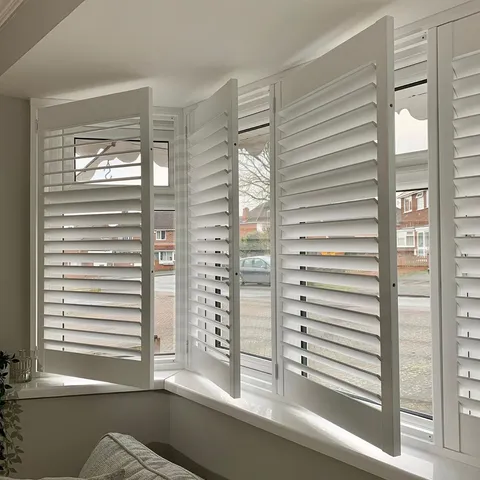
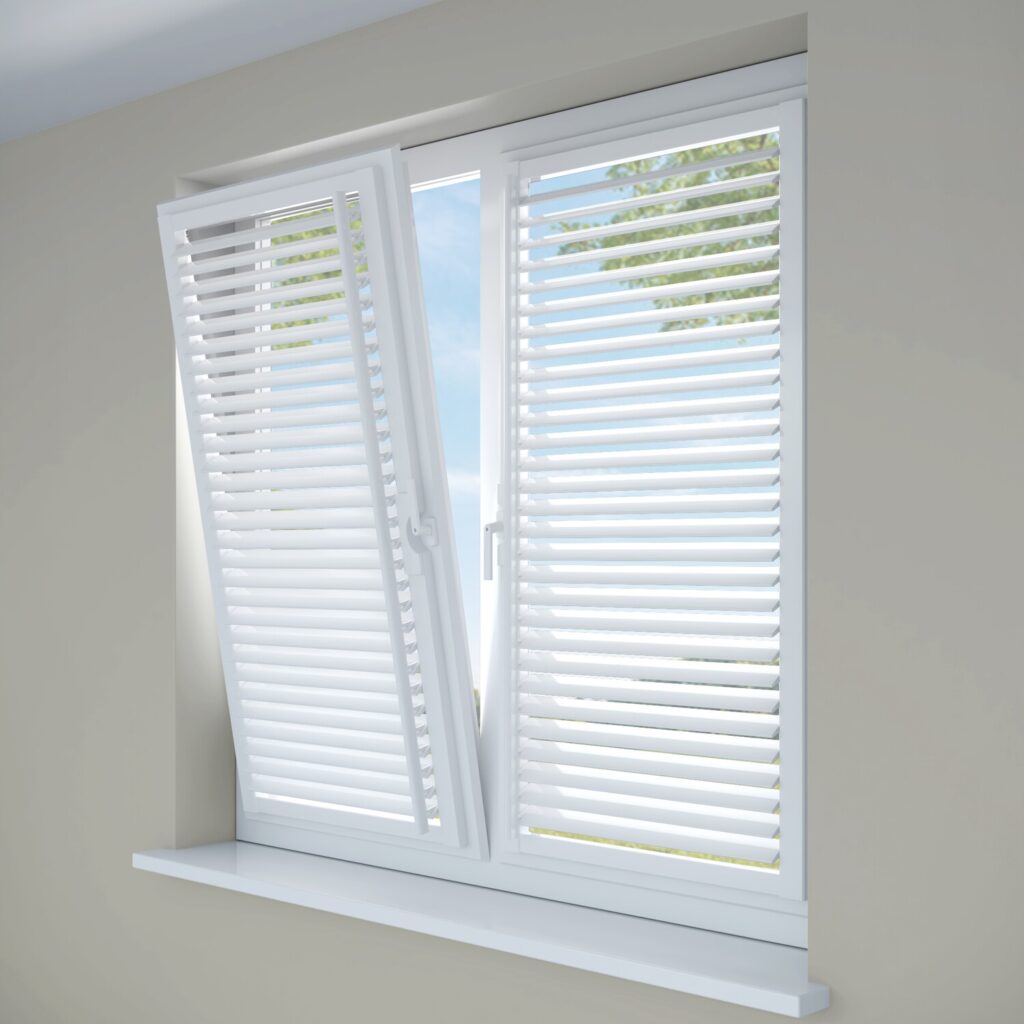
Horizontal Blinds (Venetian Blinds)
Features : Adjustable horizontal slats (usually made of wood, faux wood, or aluminum).
Pros : Excellent light control, classic look, durable.
Best for : Living rooms, bedrooms, offices.
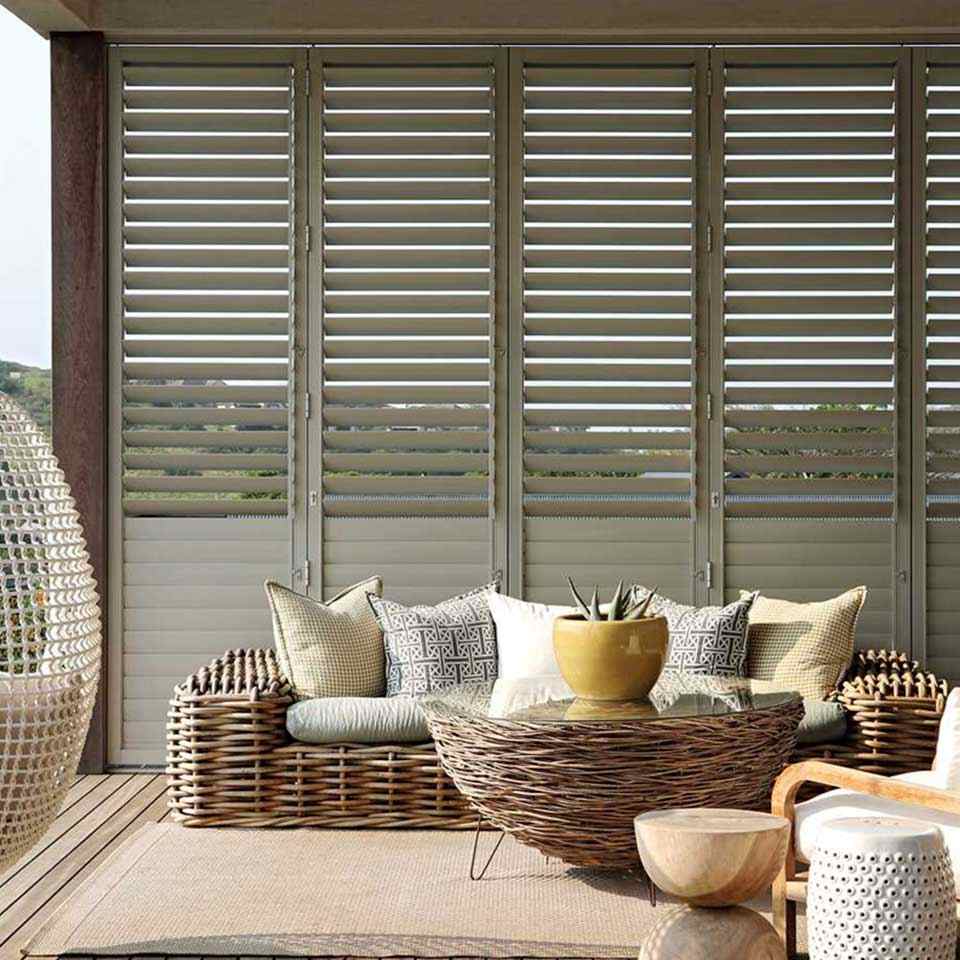
Vertical Blinds
Features : Vertical hanging slats that can be tilted or pulled aside.
Pros : Ideal for large windows and sliding doors, good airflow.
Best for : Patio doors, floor-to-ceiling windows.
Roller Blinds
Features : A single piece of fabric that rolls up and down.
Pros : Simple, modern, and space-saving.
Best for : Kitchens, bathrooms, minimalist interiors.
Roman Blinds
Features : Fabric folds neatly when raised.
Pros : Soft, elegant appearance, good insulation.
Best for : Bedrooms, dining rooms, cozy spaces.
2.Key Factors to Consider
① Light Control & Privacy
Blackout Blinds : Best for bedrooms .
Sheer/Semi-opaque : Allow natural light while maintaining privacy
② Room Functionality
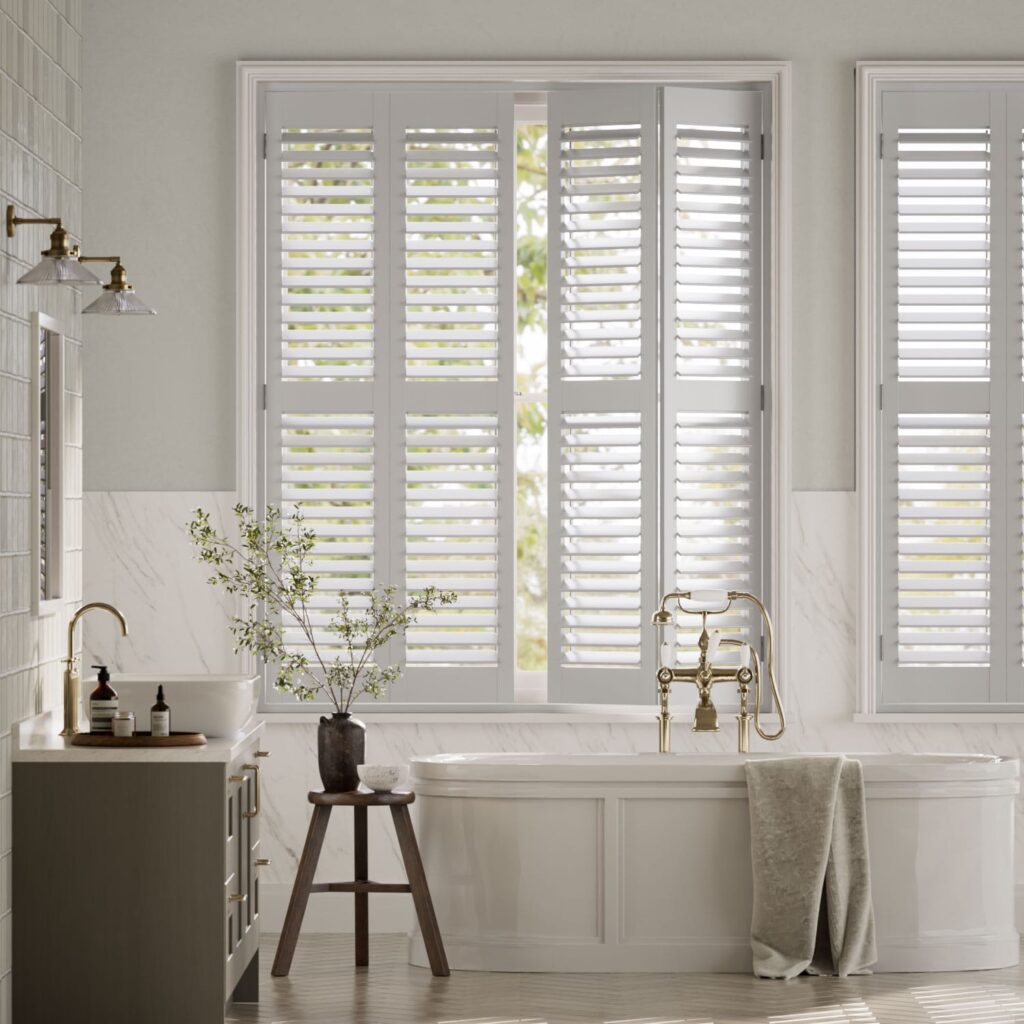
Bathrooms & Kitchens : Choose moisture-resistant materials
Bedrooms : Opt for blackout or thermal blinds
③ Style & Aesthetics
Modern Homes : Roller or aluminum blinds
Classic Interiors : Wooden or Roman blinds
④ Budget
Affordable : Aluminum or faux wood
Luxury : Real wood or custom-made
3. Maintenance & Cleaning
Dust Regularly : Use a microfiber cloth or vacuum with a brush attachment.
Deep Cleaning : Wipe with a damp cloth (for wood/aluminum) or gentle detergent (for fabric).
Conclusion
Choosing the right blinds depends on your needs—whether it’s light control, privacy, or style. Consider the material, room function, and budget to find the perfect match for your home.