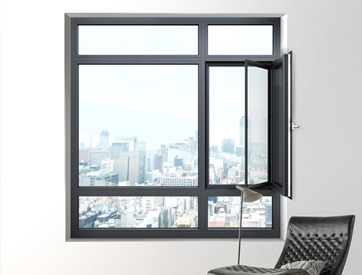
How to Choose the Right Specialty Windows
一、 Introduction
Specialty windows are designed with unique functions, shapes, or materials to meet specific architectural needs. They enhance aesthetics while providing energy efficiency, safety, soundproofing, and other specialized benefits. This article explores common specialty window types and their ideal applications to guide your selection.
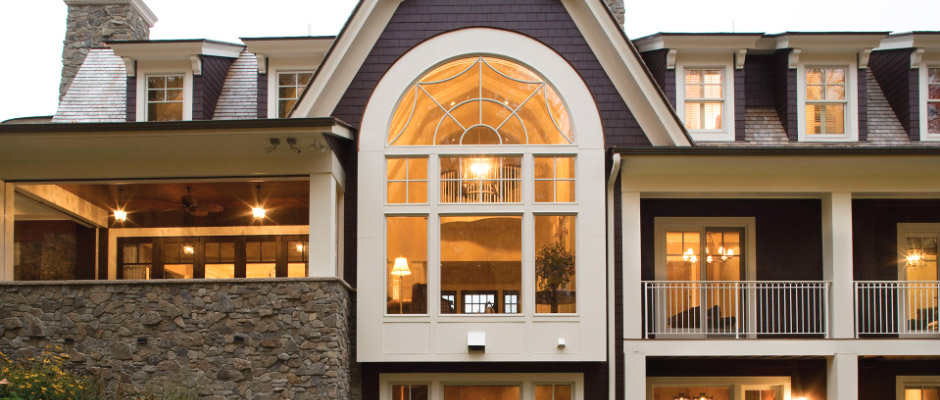
二、 Common Specialty Window Types & Features
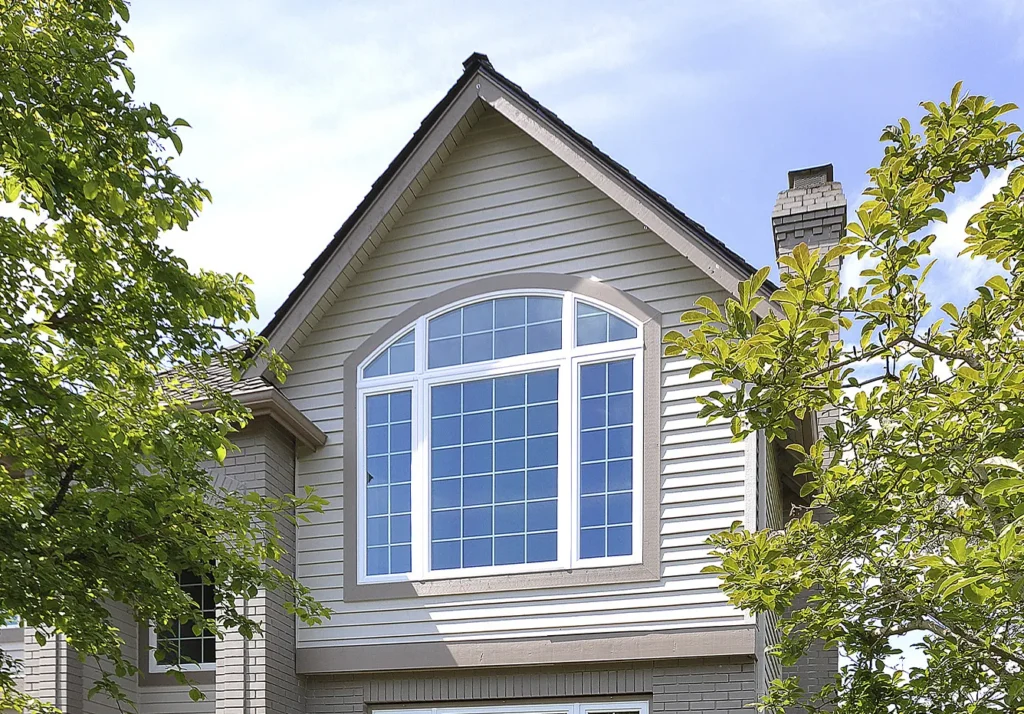
1. Energy-Efficient Windows
Features: Double/triple glazing (Low-E coating), thermally broken frames (e.g., aluminum-clad wood), reducing heat transfer and energy consumption.
Best for: Cold/hot climates, green buildings, passive houses.
2. Bulletproof/Security Windows
Features: Multi-layered tempered glass or polycarbonate composites, resistant to explosions and break-ins.
Best for: Banks, government buildings, luxury homes, high-security areas.
3. Soundproof Windows
Features: Laminated glass (PVB interlayer), air gaps, or thicker panes to reduce noise (up to 40dB+).
Best for: Urban homes, near airports, recording studios, hospitals.
4. Smart Windows
Features: Electrochromic (auto-tinting), thermochromic, or solar glass with remote control.
Best for: Smart homes, commercial buildings, energy-efficient offices.
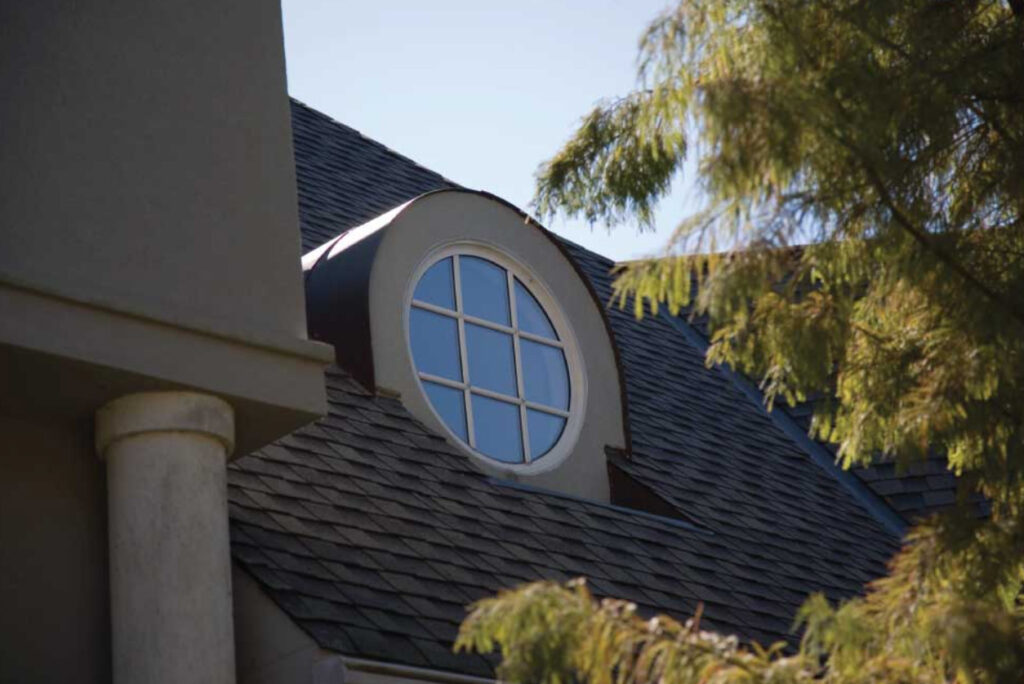
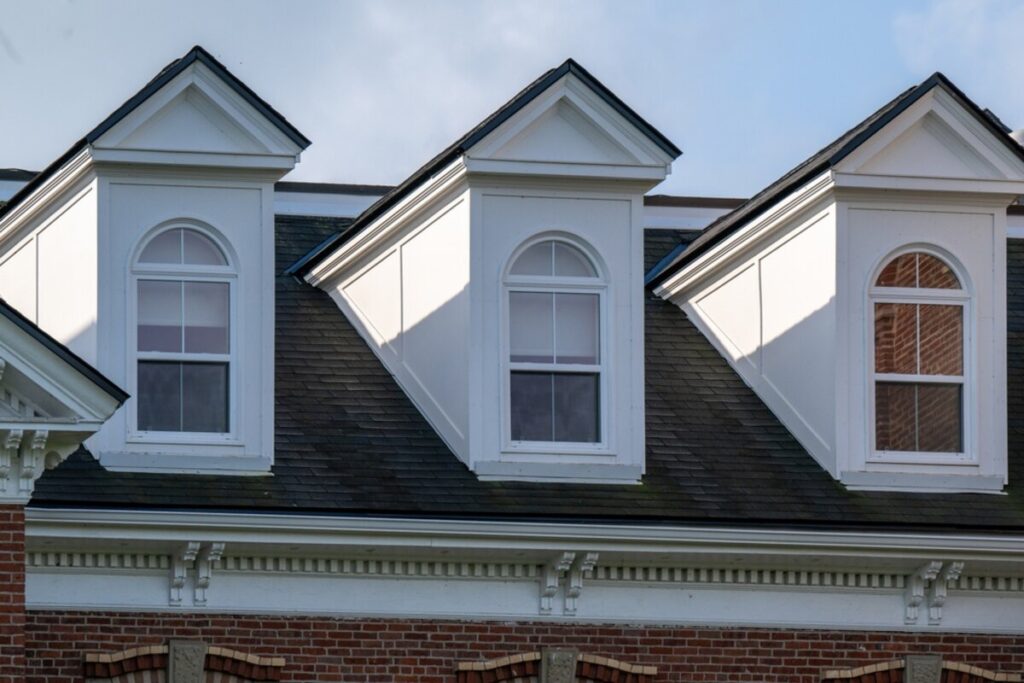
5. Custom-Shaped Windows
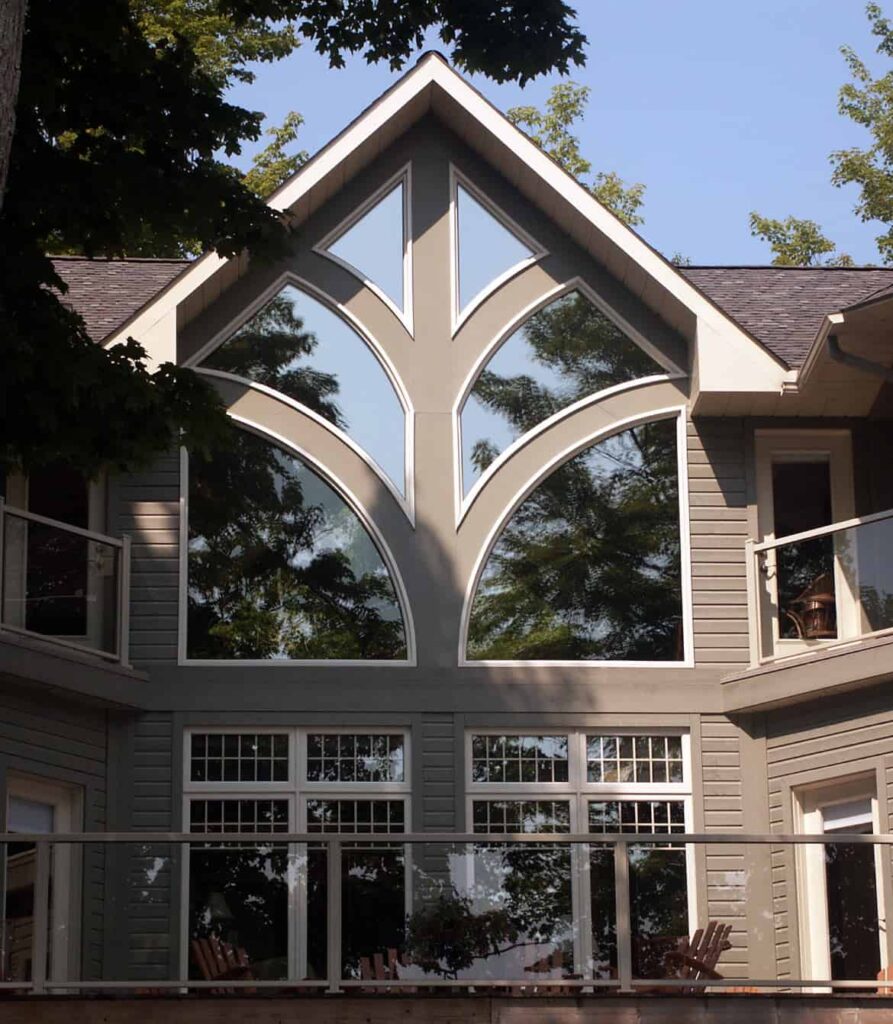
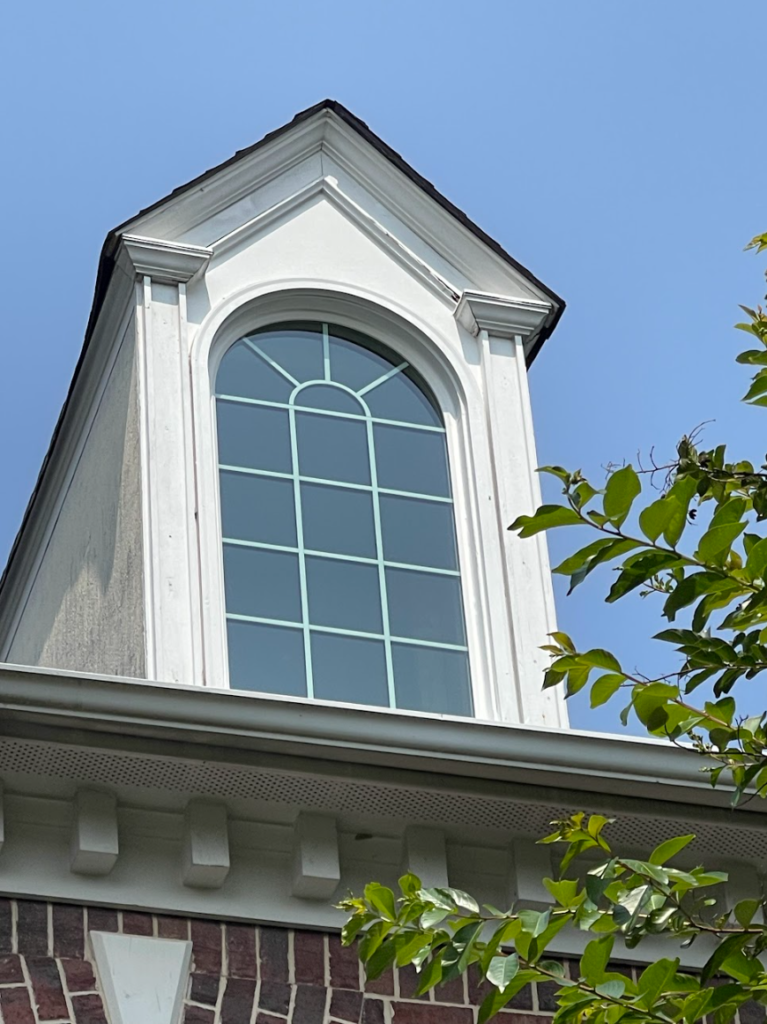
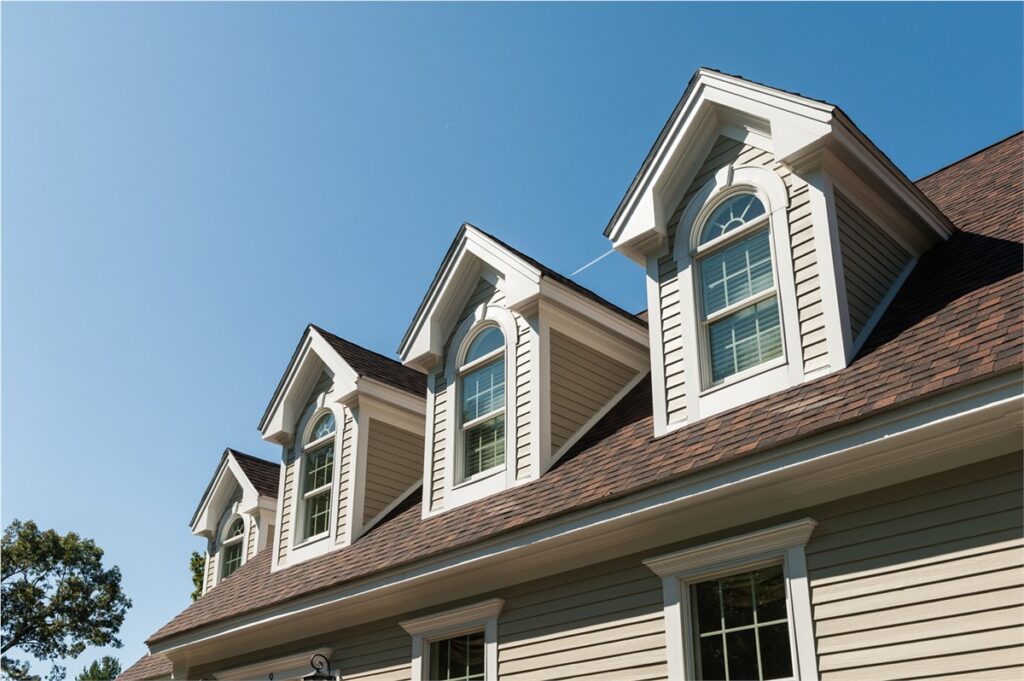
Features: Custom shapes (round, arched, triangular) for unique designs.
Best for: Churches, villas, art galleries, historic buildings.
6. Fire-Rated Windows
Features: Fire-resistant glass and steel frames to block flames/smoke (1-3 hours of protection).
Best for: High-rises, factories, schools, emergency exits.
三、Key Selection Factors
1、Functionality: Define primary needs (e.g., soundproofing, security, energy efficiency).
2、Budget: Specialty windows are costlier; balance performance and affordability.
3、Installation Environment: Climate, building structure, and safety requirements matter.
4、Aesthetics: Custom shapes or smart windows enhance architectural style.
5、Maintenance: Some (e.g., electrochromic glass) require regular upkeep.
四、Conclusion
Choosing specialty windows requires balancing functionality, budget, and design. Consult experts to ensure compliance with safety standards and long-term performance.